Living with CMT
CMT does not define everything, but it does shape a lot of your day: how far you walk, how your shoes feel, how much energy is left in the evening. This toolkit gathers what you can do about that.
What you can influence yourself
CMT cannot be cured, but much of what makes daily life hard can be influenced. Below are the themes people with CMT struggle with most, each with what is known and what you can actually do.
- 01
Pain and sensory symptoms
Overload pain and nerve pain need different approaches. Learn the difference and what exists against each.
Read more - 02
Fatigue and energy
Why walking costs so much energy, which other causes to rule out, and how to spread your day.
Read more - 03
Exercise and sport
Moderate training helps, exhaustion does not. What the research says about strength, fitness and balance in CMT.
Read more - 04
Physiotherapy and occupational therapy
The two disciplines you see most: one keeps you moving, the other adapts your daily life.
Read more - 05
Foot care
Deformed feet with little sensation: daily checks, callus, and what good shoes need to offer.
Read more - 06
Orthoses and shoes
From insole to ankle-foot orthosis: what they do, when they make sense and how to obtain one.
Read more - 07
Foot and ankle surgery
When surgery is considered, which procedures exist and what you may realistically expect.
Read more - 08
Assistive devices
From a stick and grab rails to adapted tools: small changes that save a lot of energy.
Read more - 09
Medication and CMT
The old warning lists are outdated. What actually matters today for chemotherapy, anaesthesia and nerve pain.
Read more - 10
Hearing, breathing and sleep
Less well-known symptoms that rarely come up, while something can be done about them.
Read more - 11
Work, school and paperwork
Adjustments that are often enough, and the Belgian services that contribute to aids and employment.
Read more - 12
Mental wellbeing
Uncertainty, loss, fear of falling and being misunderstood — why they belong here and when to seek help.
Read more
How to use this toolkit
You do not have to read all of it. Most people arrive with one question: why do my feet hurt so much in the evening, why am I this tired, is this medicine safe for me. Start with that topic.
What you will not find here is a treatment plan. CMT runs a different course in everyone — even within one family carrying the same gene. What follows is meant to help you sit down better prepared with your doctor, physiotherapist or occupational therapist, not to replace them.
This information is general and does not replace medical advice. CMT runs a different course in everyone: always discuss changes to your treatment, medication or training schedule with your neurologist, GP or neuromuscular reference centre.
Who can you turn to?
Neuromuscular reference centre
In Belgium, CMT is followed up in an NMRC: neurologists, physiotherapists, occupational therapists and orthotists working as one team in one place. Your GP or neurologist can refer you.
List of centresCare close to home
Between check-ups, most of the work is done by your GP, physiotherapist, occupational therapist, podiatrist and orthotist. They need not be CMT experts, but they do need to know what to watch for.
Ask usPeer support
Patient organisations hold experience you will not find in any leaflet: aids, allowances, and how to explain CMT at work. In Belgium these are Spierziekten Vlaanderen and the ABMM.
To the patient organisationLatest news
All news
New insights into gene therapy for CMT1A
Researchers are making progress with therapies targeting the PMP22 gene, the cause of the most common form of CMT.
Read more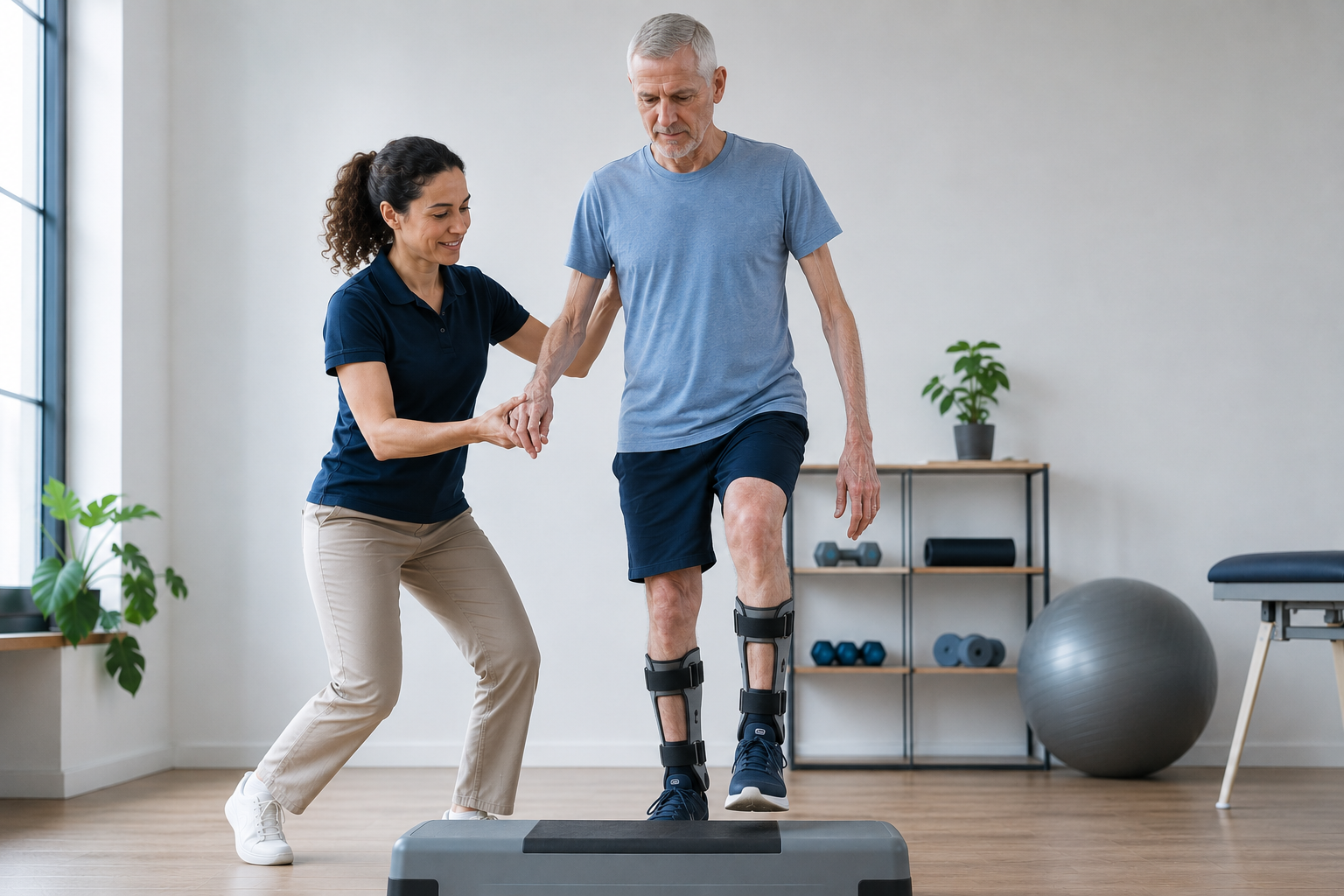
The importance of adapted exercise in CMT
Tailored physical activity helps maintain muscle strength and fitness without overloading the nerves.
Read more